Platform Mapping
Review current batteries, chargers and tool families, then identify which 18V LXT, 40V max XGT or compact tools belong in the next purchase group.
Tool programs work better when purchasing, battery planning, service routing and field replacement all follow the same map. Makita service support is written for the people who manage uptime: project buyers who standardize kits, dealers who answer counter questions, and supervisors who need the right tool in the truck before the morning brief.
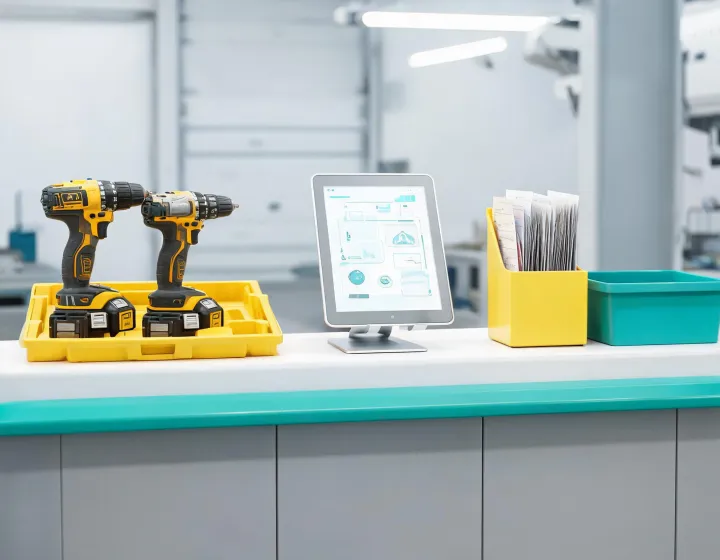
The service model is not a generic help desk. Each lane answers a different operational question, so a dealer, estimator or site lead can move from product choice to jobsite use without repeating the same information. The cards are intentionally compact for scanning, but the guidance behind them is practical: match voltage to load, pair accessories to dust and material, keep spare packs visible, and route repairs before a small failure turns into a missed shift.
Review current batteries, chargers and tool families, then identify which 18V LXT, 40V max XGT or compact tools belong in the next purchase group.
Point buyers toward authorized counters for availability, local accessory questions, bundle timing and hands-on comparison before the order is placed.
Organize warranty questions, serial details, symptoms and jobsite history so repair teams receive useful context instead of incomplete tool notes.
Spot overloaded kits, aging chargers, missing dust extraction and inconsistent outdoor equipment before replacement decisions become rushed.
Those numbers are operating targets for this site experience, not inflated manufacturing claims. They help set expectations for the practical support most visitors need: which tool fits the material, which battery plan will not strand a crew, and which contact route can handle parts, service or dealer questions. A short, specific inquiry makes the next answer sharper.
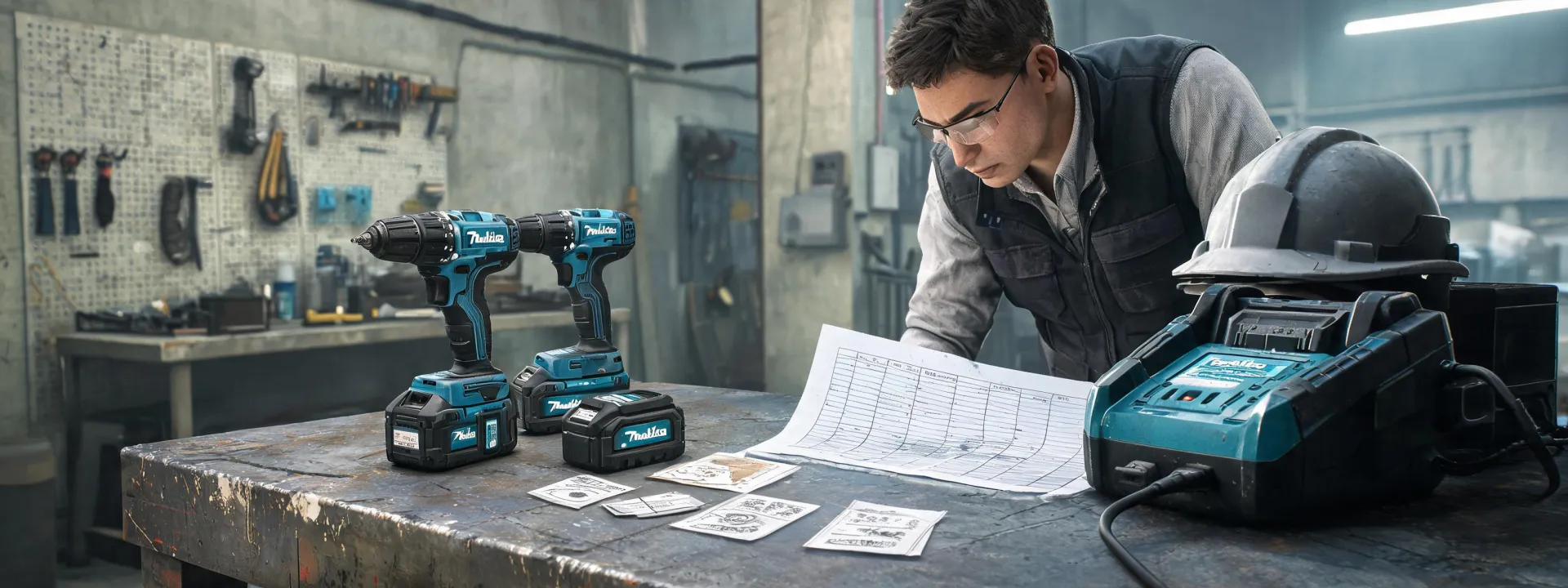
Send the tool family, battery platform, quantity and jobsite timing. The response can focus on the fastest next step instead of a generic support loop.