From individual tools to coordinated kits
Crews began grouping drills, saws, grinders and lights around common chargers so replacement packs could move where the work was heaviest.

Behind every purchase is a chain of decisions: housing material, brushless motor behavior, dust extraction, charger placement, service access and the realities of crews who cannot stop work to decode a catalog.
Makita's story on this site is told through the evolution of jobsite systems rather than nostalgia alone. The brand matters because buyers now evaluate more than an individual drill or saw. They ask whether batteries can be shared, whether dust controls fit the material, whether service routes are clear, and whether a platform can support both indoor construction and exterior maintenance. That is the thread running through the timeline below.
Crews began grouping drills, saws, grinders and lights around common chargers so replacement packs could move where the work was heaviest.
Motor efficiency, electronic protection and improved housings changed how buyers weighed runtime, torque and heat during long shifts.
Concrete, wood and metal work called for accessories and extraction systems that protect visibility, finish quality and operator confidence.
Chainsaws, mowers and blowers brought platform thinking to grounds crews, facilities teams and mixed indoor-outdoor maintenance programs.
The strongest product choice now starts with the task list, crew size, charging cadence and service path, then narrows to the tool.
Tool recommendations should explain voltage, application and accessory fit in plain operational language.
Durable products still need the right pack, bit, blade, wheel, dust path and operator habit.
Repair and warranty questions move faster when model, serial, symptom and work context arrive together.
The personas below represent the practical experts a buyer expects to meet: product specialists who understand platforms, service coordinators who know repair intake, application advisors who speak the language of trades, and catalog managers who keep data organized.
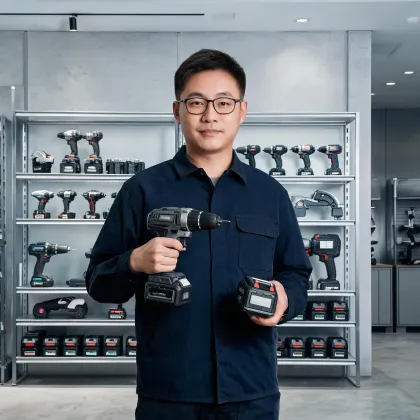
Maps batteries and chargers to work groups.
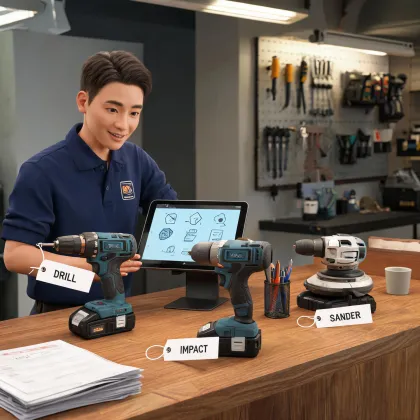
Turns tool symptoms into useful repair context.
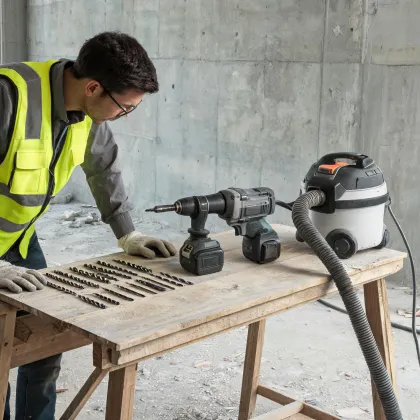
Connects tools, accessories and material demands.
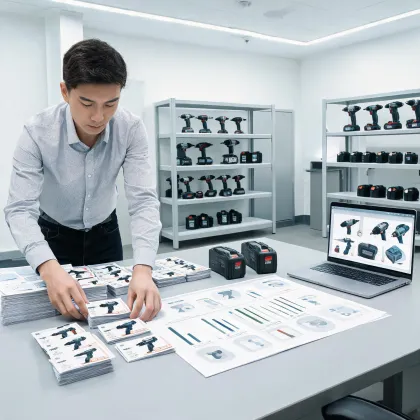
Keeps product paths simple for buyers.
Bring your crew list, application notes and battery inventory. A focused conversation can shorten the distance between catalog browsing and a kit that makes sense.